Furnace Noise Repair

Furnace noise repair in Brighton for bangs, squeals and rattles

Furnace Noise Repair in Brighton is for the bang at startup, the squeal from the blower, the rattle from inside the cabinet or the hum that wasn't there last winter. Each sound points to a different part, from dirty burners causing delayed ignition to worn blower bearings or a failing capacitor. We match the noise to its source, fix that part, and check that your furnace is running safely before we leave.

Service overview

What Furnace Noise Repair in Brighton Covers

Furnace Noise Repair in Brighton is a diagnostic repair service that traces a new or worsening furnace sound to its source and fixes the part responsible. Most furnace noises fall into a few groups: bangs and booms at startup from delayed ignition, squeals and grinding from blower or inducer motor bearings, rattles from loose panels or failing parts, hums and buzzing from electrical components, and whistles from restricted airflow. Each group points to a different part, and some carry safety implications.

Brighton homeowners usually notice a new noise in late fall, when the furnace runs daily for the first time in months, or during a cold snap when it runs for long stretches. The timing of the sound helps narrow the cause. A noise at startup often relates to ignition, a noise while running often relates to the blower or inducer, and a noise after shutdown can relate to the gas valve or burners. We use that timing, plus measurements, to find the real problem rather than guessing.

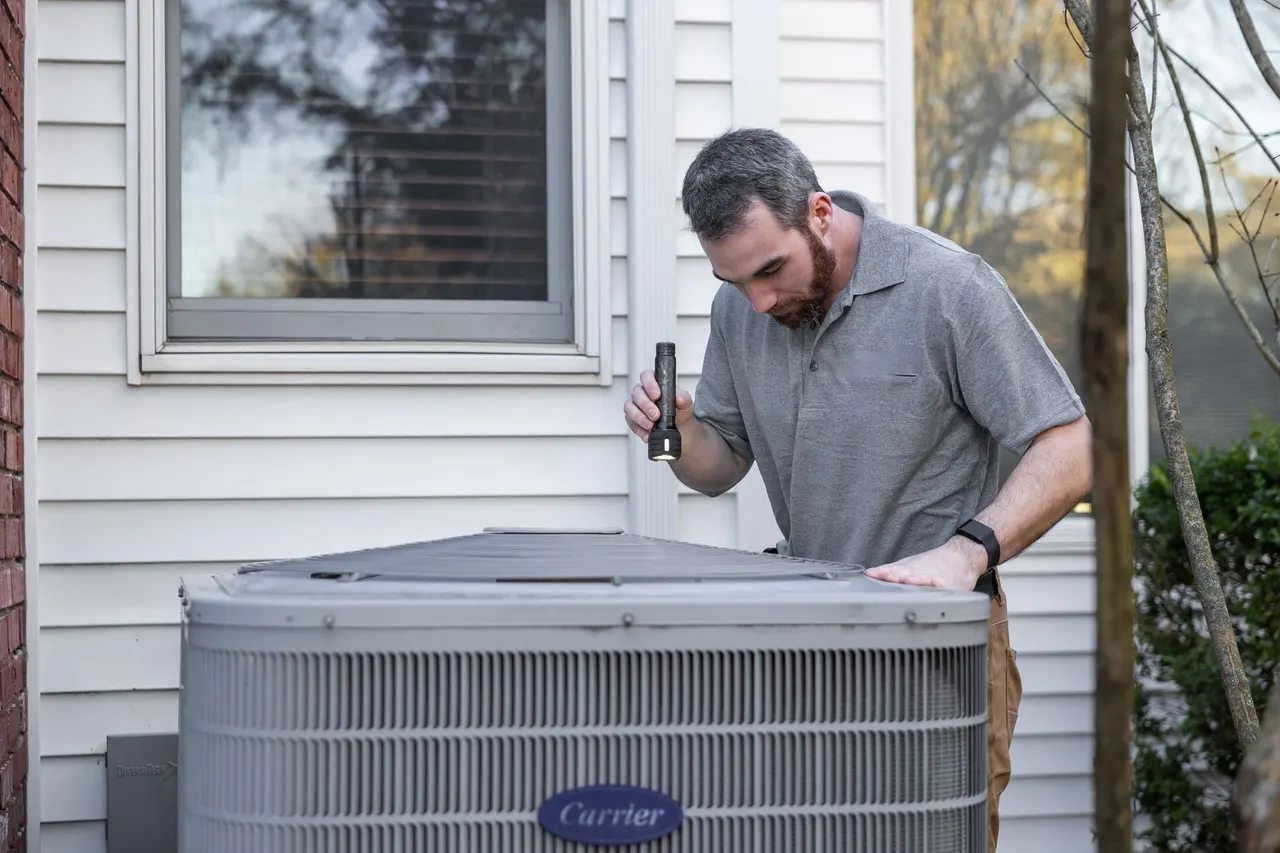
Dependable Furnace Repair across Brighton, Colorado

Practical benefits

What Noise Repair Gets You

A new furnace noise is usually an early warning, not just an annoyance. Furnace noise repair in Brighton finds the source while the fix is still small, and these are the outcomes we focus on.

01

Small fixes before big failures

Squealing bearings, a weak capacitor or a loose inducer usually get worse before they fail. Fixing the part while it is still making noise is almost always cheaper than waiting until it stops the furnace on a cold night.

02

Safety-related noises checked

Some noises point to safety problems, like a loud bang from delayed ignition or a rumble after the burners shut off. We check combustion and carbon monoxide whenever a sound could be linked to how the furnace burns.

03

The real source found

We match each sound to its source rather than replacing parts that might be causing it. A rattle can be a loose screw or a failing inducer, and you only pay for what is actually wrong.

04

A quiet house again

A furnace that bangs, hums or squeals can be heard through the house, especially at night. Fixing the source brings back a furnace you don't notice, which is how a healthy furnace should sound.

How service works

What Happens When You Call

Furnace noise repair in Brighton follows five steps, from describing the sound on the phone to a quiet furnace that is tested before we leave. Here is what happens at each stage.

STEP 01

Describe the sound

When you call (720) 715-9099, we ask what the sound is like, when it happens, startup, while running or after shutdown, and whether it is new or getting louder. If the furnace bangs loudly or rumbles after shutdown, we may ask you to keep it off until we arrive.

Tools and methods

Tools and Methods We Use

01

Digital manometer

Measures gas pressure at the furnace's gas valve to diagnose delayed ignition and confirm correct setup for Brighton's elevation.

02

Clamp ammeter

Measures blower and inducer motor amp draw to identify motors that are straining or wearing out.

03

Capacitor tester

Checks blower capacitor values when a furnace hums or a motor starts slowly.

04

Combustion analyzer

Reads oxygen, carbon monoxide and flue temperature after ignition or burner repairs to confirm clean combustion.

05

Carbon monoxide meter

Tests for CO near the furnace and at supply registers, especially after a furnace has been banging at startup.

06

Inspection camera

Helps us inspect the heat exchanger and burner area for cracks, soot or damage linked to delayed ignition.

07

Timing-based diagnosis

We note whether a sound happens at startup, during the run or after shutdown. Startup sounds usually relate to ignition, running sounds to motors and airflow, and shutdown sounds to the gas valve or burners.

08

Ignition and gas pressure check

We measure gas pressure at the valve and compare it to the manufacturer's specification for your furnace and elevation, and inspect the burners for dirt or misalignment that can cause rough ignition.

09

Motor condition testing

We measure blower and inducer motor amp draw against their nameplate ratings and check for bearing play, which tells us whether a squealing motor needs replacement.

10

Post-repair combustion check

After any repair involving burners, ignition or the gas valve, we test carbon monoxide at the flue and supply registers to confirm the furnace is burning safely.

Professional service tools

Where this service fits

When to Call for Noise Repair

01

Your furnace makes a loud bang a second after the burners light, and it seems to be getting louder each week.

We clean the burners, test the igniter and set gas pressure to the manufacturer's specification for Brighton's elevation, then check combustion and carbon monoxide. The furnace lights quietly, combustion tests clean, and the risk of heat exchanger damage from repeated bangs is gone.

02

A high-pitched squeal starts whenever the blower runs, and you can hear it through the house at night.

We measure the blower motor's amp draw and inspect its bearings. A worn motor is replaced, and we clean the blower wheel while the assembly is out. The squeal is gone, the motor runs within its rated current, and airflow is restored before the motor seizes.

03

A rattling sound starts and stops with the furnace, and you're not sure if something inside has broken.

We check panels, screws and the filter door, then the inducer, blower wheel and heat exchanger if needed. We secure or replace whatever is vibrating loose. The rattle stops, and you know whether it was a simple loose part or something that needed repair.

Local execution

Furnace Noises in Brighton Homes

Furnace noise repair in Brighton often starts in late fall, when furnaces come back on after months of sitting idle and the first long cold snaps push them through extended run cycles. That is when worn blower bearings begin to squeal, weak capacitors start to hum, and dirty burners cause the startup bang known as delayed ignition. Brighton's elevation of roughly 4,987 feet makes combustion more sensitive to burner condition and gas pressure, so a furnace without correct high-altitude setup is more likely to light roughly. Construction dust around the growing parts of town adds to the problem by coating burners and blower wheels. The type of furnace matters too. Older homes near downtown often have furnaces with metal flues and PSC blower motors, where bearings and panels are common noise sources. Newer homes in areas like Brighton Crossing and Sugar Creek usually have condensing furnaces, where inducer motors, condensate traps that gurgle and PVC vents can each make their own sounds. Our heater repair in Brighton matches each sound to the furnace in front of us.

01

Downtown Brighton

Older furnaces here are more likely to have worn blower bearings, loose cabinet panels and aging burners, which are common sources of squealing, rattling and rough ignition.

02

Brighton Crossing

Condensing furnaces in newer homes can gurgle from a partly blocked condensate trap or whistle from intake restrictions, sounds that older furnaces don't make.

03

Sugar Creek

Homes with high-efficiency furnaces rely on inducer motors that can hum or rattle as their bearings wear, especially during long winter run cycles.

04

Clover Meadows

Established homes with furnaces approaching 15 years often start making new sounds as motors and burners age, a good time to decide between repair and replacement.

05

Elevation close to 5,000 feet affects combustion

Thinner air changes the gas and air mix. A furnace without correct high-altitude setup or with dirty burners is more prone to delayed ignition, which shows up as a bang or boom at startup.

06

Long run cycles during cold snaps

Extended running during single-digit stretches is when worn blower bearings and inducer motors start to squeal or grind, and when weak capacitors begin to hum.

07

Dry air and construction dust

Dust coats burners and blower wheels faster in a growing area. Dirty burners cause rough ignition, and an unbalanced or dirty blower wheel can vibrate and rattle.

Problems we solve

Furnace Noises We Fix in Brighton

Furnace noises in Brighton homes usually fall into one of five patterns. Each one has a likely cause, and some need attention sooner than others.

01

A loud bang or boom a second after the burners light

We clean the burners, test the igniter and check gas pressure against the manufacturer's specification, including the setup required for Brighton's elevation. We test combustion and carbon monoxide afterward so the furnace lights cleanly and safely on every cycle. Repeated delayed ignition stresses the heat exchanger and can contribute to cracks over time, which is a carbon monoxide concern.

02

A high-pitched squeal or grinding sound while the furnace runs

We identify whether the sound comes from the blower motor, the inducer motor or, on older units, a belt. We measure motor amp draw and inspect the bearings, then replace the worn motor or belt so the furnace runs quietly again. Worn bearings get louder until the motor seizes, which stops airflow and causes the furnace to overheat and shut down.

03

A metallic rattle that starts and stops with the furnace

We check cabinet panels, screws, the filter door and ductwork connections first. If those are secure, we inspect the inducer motor, blower wheel and heat exchanger to find what is vibrating loose, and fix or replace that part. A rattle can be harmless, like a loose panel, or a sign of a failing inducer or damaged heat exchanger that needs prompt attention.

04

A steady hum or buzz from the furnace cabinet

We test the blower capacitor, transformer and control board relays. A capacitor outside its rated range or a failing relay is replaced, and we check that the motor it serves is drawing normal current. A humming capacitor or buzzing relay often fails soon after the noise starts, leaving the blower or furnace unable to run.
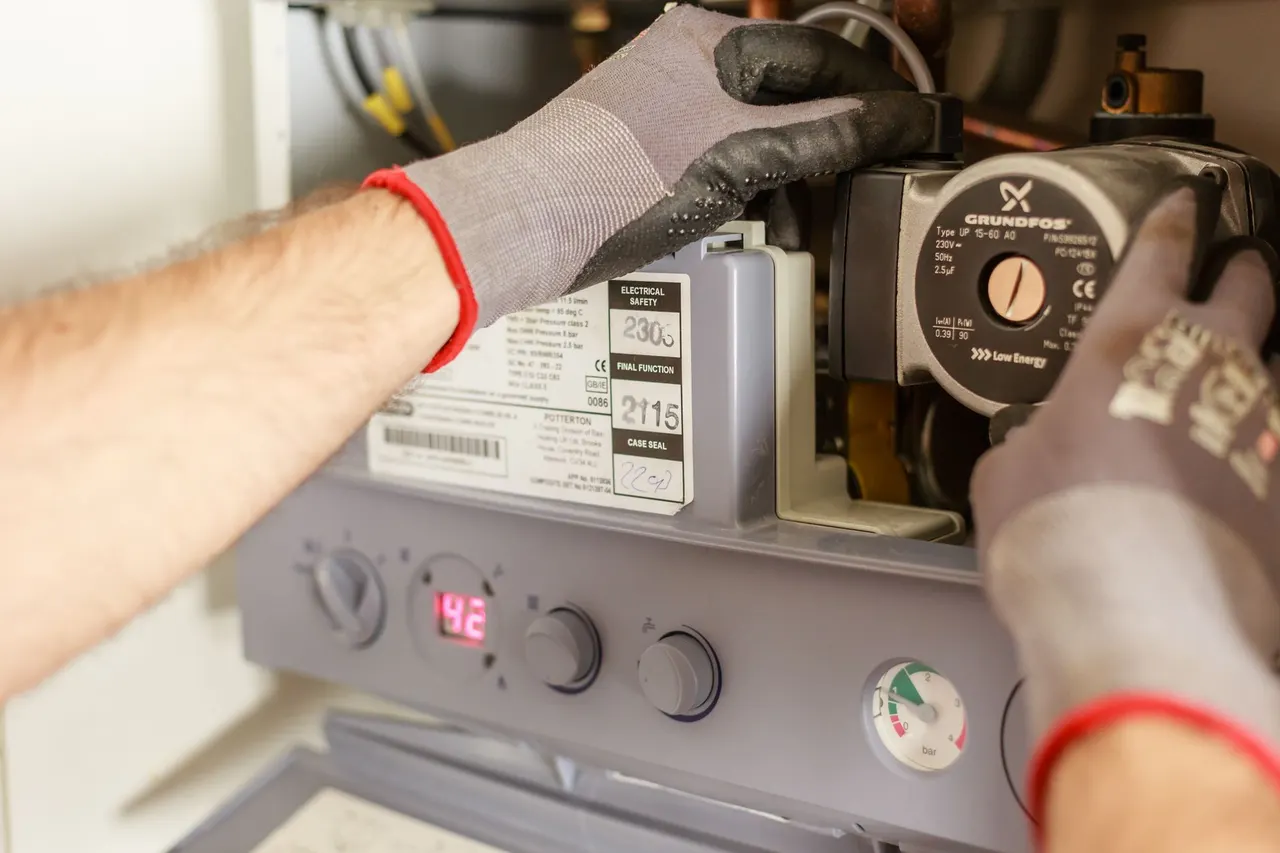
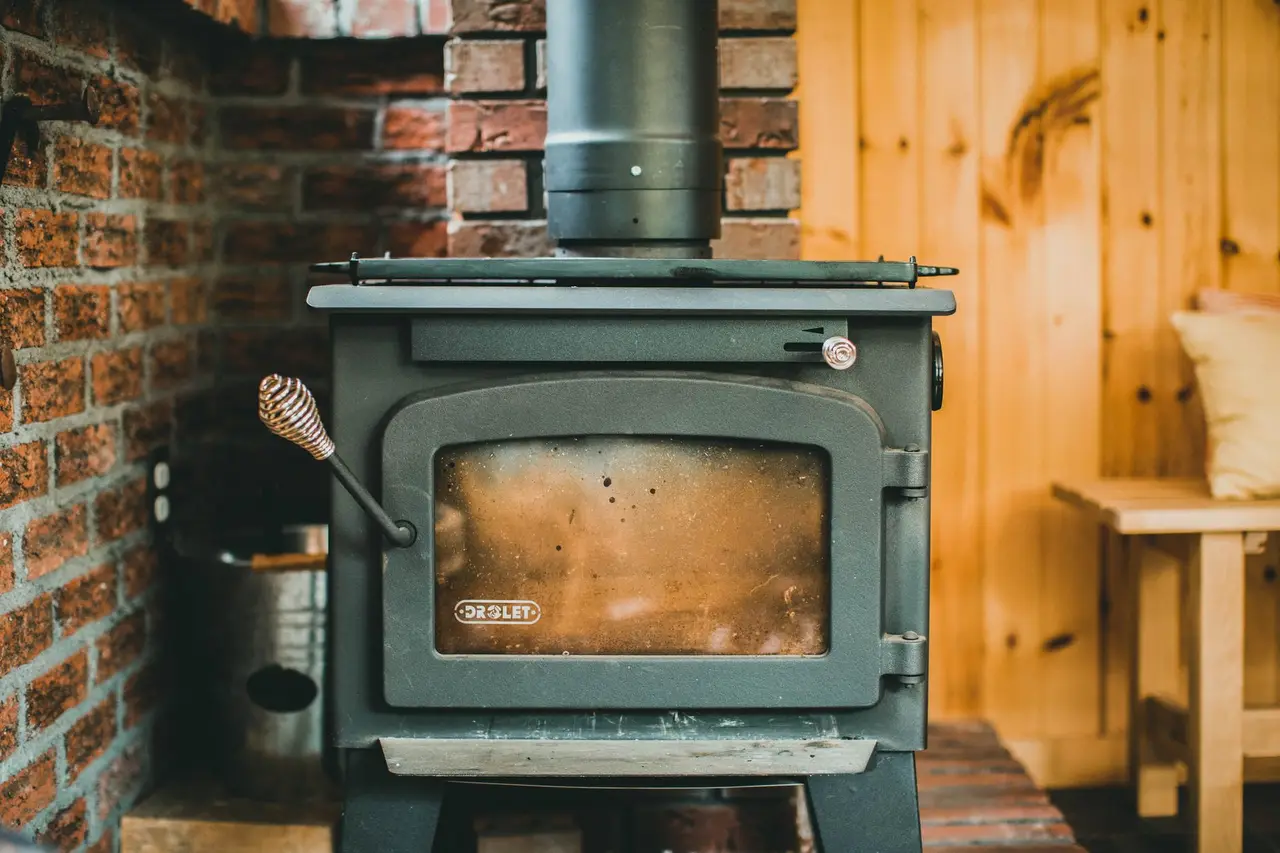
A practical standard for every visit.

Clear planningPrepared arrivalsCareful workLocal follow-through

Experience in the details

Diagnosing Furnaces by Sound

Furnace noise repair in Brighton depends on hearing the difference between sounds. A bang at startup, a squeal from the blower, a rattle from a panel and a hum from an electrical part each come from a different place inside the furnace, and some point to safety concerns while others are simply worn parts. We diagnose by sound first, then confirm with measurements like gas pressure, motor amp draw and capacitor values, and we finish with a carbon monoxide check whenever a noise could be related to combustion.

  • We listen for when a sound happens, at startup, during the run or at shutdown, because timing points to the part responsible.
  • We check gas pressure and burner condition when a furnace bangs at ignition, since delayed ignition is a combustion problem, not just a noise.
  • We measure blower motor amp draw and inspect bearings when a furnace squeals or grinds, which separates a failing motor from a loose wheel.
  • We test capacitors and check relays and transformers when a furnace hums or buzzes, since these electrical parts often give an audible warning before failing.
  • We test for carbon monoxide after any noise repair related to burners, ignition or the heat exchanger.
Dependable Furnace Repair across Brighton, Colorado

Where we work

Brighton and three nearby communities.

Check my address

Before the visit

Frequently Asked Questions

Still wondering?(720) 715-9099

A loud bang a moment after the burners light usually means delayed ignition: gas builds up for a second before lighting, often because of dirty burners, a weak igniter or incorrect gas pressure. It can stress the heat exchanger over time. Turn the furnace off if the bang is loud or getting worse, and have it inspected.

A high-pitched squeal from a furnace usually comes from worn blower motor bearings, or on older belt-drive blowers, a slipping or worn belt. It can also come from the inducer motor. Squeals tend to get louder as parts wear, and replacing a worn motor before it seizes prevents an overheating shutdown.

Light ticking or popping from ductwork as it heats and cools is usually normal metal expansion. Rattling, banging, grinding, loud humming or rumbling after the burners shut off are not normal. If a sound is new, getting louder or happens every cycle, it is worth having checked.

Rumbling or roaring after the thermostat is satisfied can mean the burners are still firing because the gas valve isn't closing fully, or the burners are dirty. That is a safety concern. Turn the furnace off at the thermostat and service switch and call for an inspection; if you smell gas, leave the house and call 911 or Xcel Energy.

Your next step is waiting

Strange furnace noise? Get it checked in Brighton

A new bang, squeal, rattle or hum from your furnace is worth checking before it turns into a breakdown. Call (720) 715-9099 to schedule furnace noise repair in Brighton and get the price before any work begins.

Start with the basics

Talk to Furnace Repair Pros

Call us at (720) 715-9099 with your furnace problem and your address. Tell us what you are seeing, whether that is no heat, short cycling, a blinking light or a noise you have not heard before, and we will set up a visit. You can also send the form on this page with a short description and the best time to reach you.

SERVICE REQUESTLet us map it out.

No spam or pressure. Just a helpful service conversation.

Thanks. Your request is in and the team will follow up shortly.

Need service?Call now